Ja-Ma
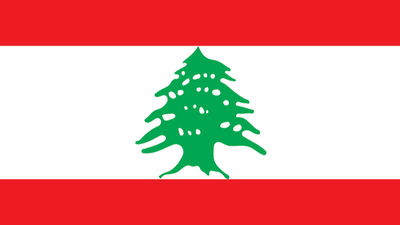
Identification. Loubnan derives from the Phoenician for "white mountain" and denotes Lebanon's mountains, some parts of which remain snow-covered all year.
Read More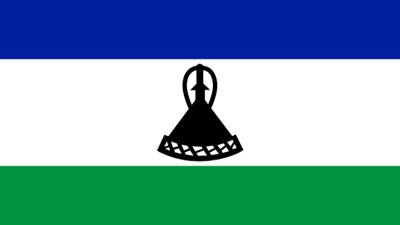
Identification. The area now called The Kingdom of Lesotho (pronounced le-Soo-too) was originally Basutoland.
Read More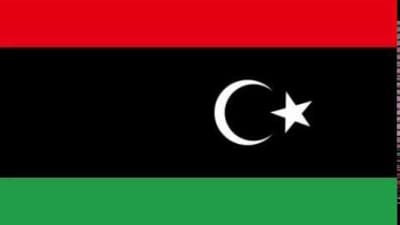
Identification. The Socialist Popular Libyan Arab Jamahiriya—literally, "state of the masses," is a nation that has been undergoing a radical social experiment over the last thirty years.
Read More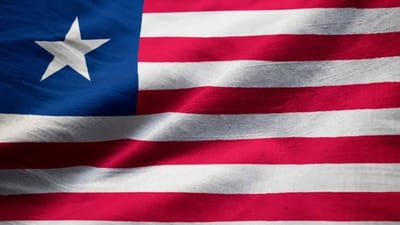
Identification. Liberia lies on the west coast of Africa.
Read More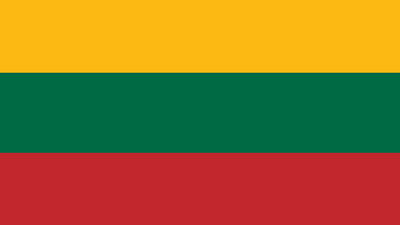
Identification. Lithuanians are fond of nature and have a strong feeling of a shared culture that begins as early as primary school, where folk music, national traditions, and holidays play an important role.
Read More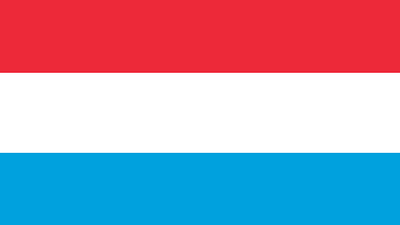
Identification. The name of the nation derives from Lucilinburhuc, which in the local Germanic dialect meant "Little Fortress," referring to a small Roman castle on a rocky promontory overlooking the Alzette River.
Read More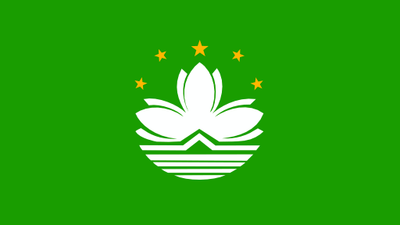
Identification. Macau is a city in southern China's Guangdong province, and was until 20 December 1999 an overseas Portuguese territory, founded in 1557.
Read More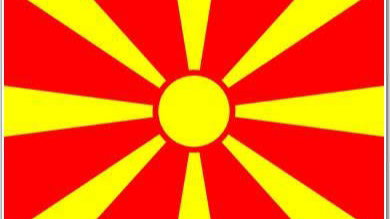
Identification. The ancient Macedonians were considered non-Greek but are claimed as co-nationals by the modern Greeks.
Read More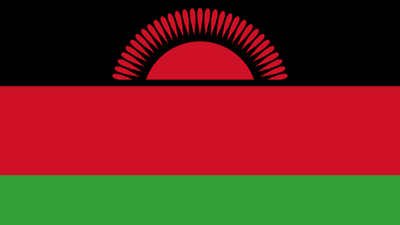
Identification. Malawians are part of the large Bantu population that migrated northward from South Africa at around the turn of the twentieth century.
Read More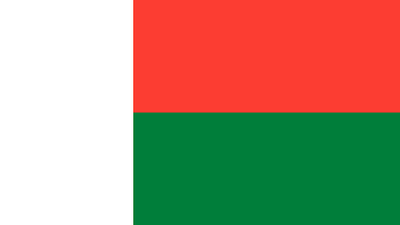
Malagasy refer to themselves and their language as Malagasy and their country as Madagasikara. French speakers refer to the people and the language as Malgache and the nation as Madagascar.
Read More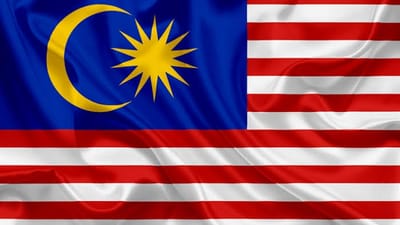
Outsiders often mistakenly refer to things Malaysian as simply "Malay," reflecting only one of the ethnic groups in the society. Malaysians refer to their national culture as kebudayaan Malaysia in the national language.
Read More