Ge-It
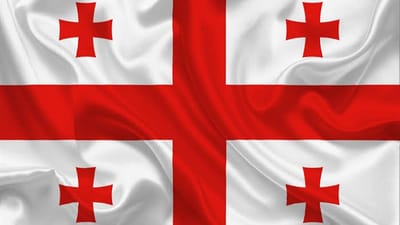
Identification. The term "Georgian" does not derive from Saint George but from the ancient Persian Gurg or Gorg, meaning wolf, "supposedly a totemic symbol, or from the Greek georgios ("farmer," "cultivator of land").
Read More
Identification. The name Germany is derived from the Latin word Germania, which, at the time of the Gallic War (58–51 B.C.E.), was used by the Romans to designate various peoples occupying the region east of the Rhine.
Read More
Identification. Ghana, formerly the British colony of the Gold Coast, assumes a special prominence as the first African country to acquire independence from European rule.
Read More
Identification. The name "Gibraltar" derives from "Tariks Mountain," after Tariq-Ibn-Zayid, the Muslim conqueror who invaded the Iberian peninsula in 711.
Read More
Identification. Greece, the English name for the Hellenic Republic, derives from an ancient Latin word for that area.
Read More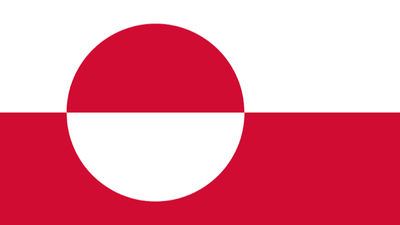
Identification. Greenland was probably originally settled by descendants of the present Inuit culture, who identify the island as Kalaalit Nunaat—meaning "land of the people"—in their native language.
Read More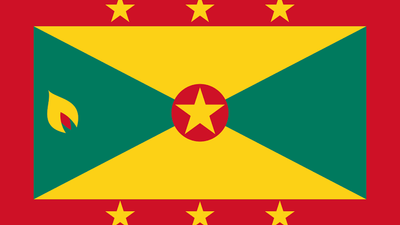
Identification. Greenland was probably originally settled by descendants of the present Inuit culture, who identify the island as Kalaalit Nunaat—meaning "land of the people"—in their native language.
Read More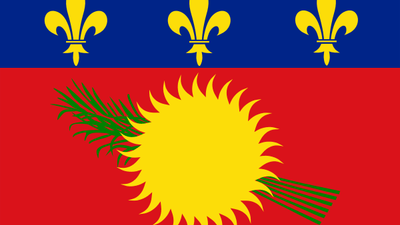
Before its discovery by Christopher Columbus in 1493, the island was called Karukera ("island of beautiful waters") by the Caribs
Read More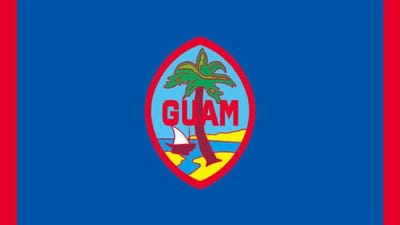
Identification. Guam is the southernmost island in the Mariana Islands chain.
Read More