Cr-Ga

Identification. The name of the country and the term "English" derive from the Old English word for one of the three Germanic peoples that invaded the British Isles in the fifth century C
Read More

Identification. "Eesti" can be traced to a first-century mention by the Roman historian Tacitus of a people or place called Aestii or Aestui.
Read More
Identification. The term "eritrea" derives from Sinus Erythraeus, the name Greek tradesmen of the third century B.C.E.
Read More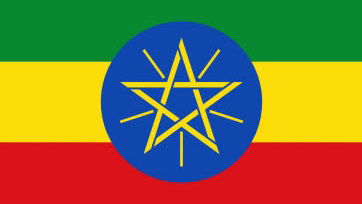
Identification. The name "Ethiopia" derives from the Greek ethio, meaning "burned" and pia, meaning "face": the land of burned-faced peoples.
Read More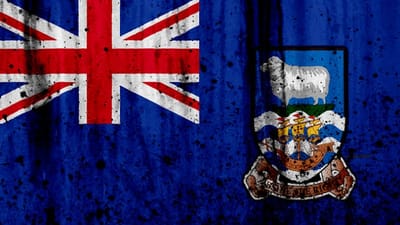
Identification. The British named the two islands after the naval officer Viscount Falkland.
Read More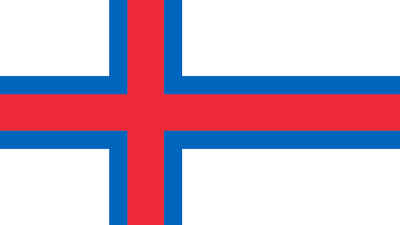
Identification. "Faroe" (sometimes "Faeroe") may mean "Sheep Islands." The population is monoethnic, but is culturally distinct within Denmark as a whole.
Read More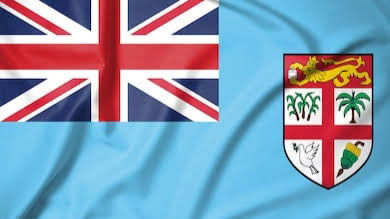
Identification. The Republic of the Fiji Islands is a multicultural island nation with cultural traditions of Oceanic, European, South Asian, and East Asian origins.
Read More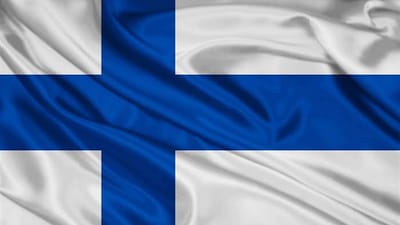
Identification. The terms "Finland" and "Finns" are external obscure derivations from early (first century C.E.) Roman references to people known as Fenni (probably Lapps or Saami) who occupied lands north of the Baltic Sea.
Read More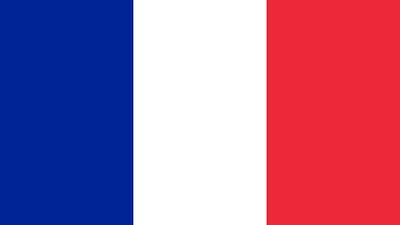
Identification. French national identity is based on the historical origins of the nation in Celtic, Gallo-Roman, and Frankish cultures.
Read More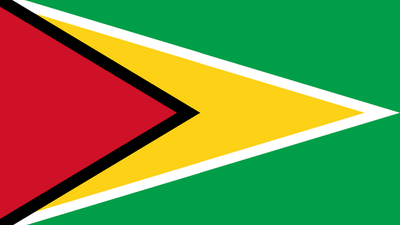
Identification. Christopher Columbus sighted the Guiana coast in 1498 during his third trip to the New World.
Read More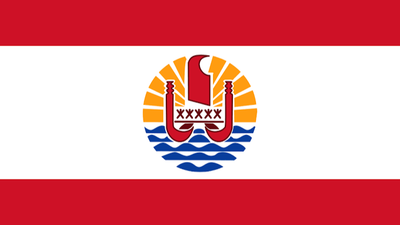
Identification. The Territory of French Polynesia consists of five archipelagoes (Society Islands, Marquesas Islands, Tuamotu Islands, Austral Islands, and Gambier Islands) under French administration.
Read More